Ο καιρός στο χωριό μας

Πέμπτη 19 Μαρτίου 2020

«Είναι κοριτσάκι!» για την Παναγιώτα και τον Λόκι

Η Παναγιώτα Κατσάμπη και ο Λόκι Μπούσμπι επιθυμούν να ανακοινώσουν το χαρμόσυνο γεγονός της γεννήσεως της κορούλας τους, Σιένα Μάε, αδελφούλα του Νώε Τζέιμς. 


Η Σιένα Μάε Μπούσμπι ήρθε στον κόσμο στις 10:40 π.μ. την Τετάρτη 18 Μαρτίου, ζυγίζει 3,270 κιλά και είναι 48,5 εκατοστά.

Η Παναγιώτα είναι κόρη του Δημήτρη και της Κούλας Κατσάμπη και ο Λόκι γιος του Άλλεν και της Γουέντι Μπούσμπι από την Αδελαΐδα στην Αυστραλία.

Να τους ζήσει, γερή και καλότυχη σε όλη της την ζωή.

Σάββατο 7 Μαρτίου 2020

DNA Revelations: Tsempelis and Katsampis folk of Southern Parnon are probably the same clan

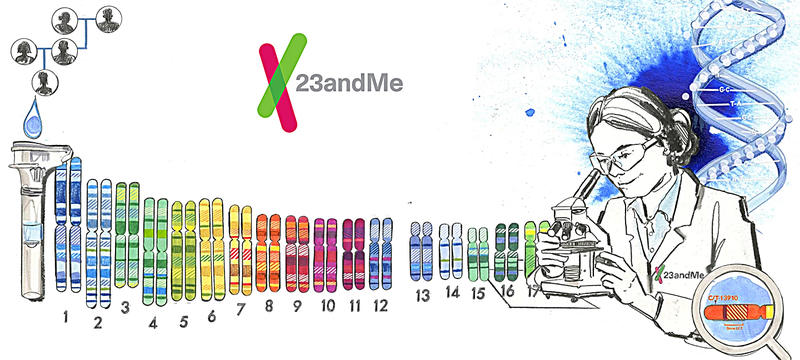
DNA testing for Family Trees of Southern Parnon carried out by the genomics and biotechnology company 23andMe provides some startling new revelations about two of the traditional clans of Karitsa. 

It is now highly likely that these two clans, until now believed to be quite separate and distinct, may indeed be one and the same; they have the same paternal marker (haplotide) meaning they share a common male ancestor.

All this came to light when the DNA of Dimitris and Phillip Katsampis from Adelaide, Australia, and the DNA of two Tsempelis men, Nicholas Jebeles from Alabama in the US, an ancestor from Karitsa, and Evan Tsembelis, an ancestor from Peleta, all were shown to share the same paternal marker E-V13.

The Tsempelis clan along with Malavazos folk have long been considered among the original Karitsiotes. According to local folklore, Karitsa was built by these two large clans with the line of demarcation being the Likorema, a creek that cuts through the tilling fields of the village. Tsempelis folk cultivated lands west of the creek and Malavazos on the eastern side. The name Tsempelis is possibly of Turkish derivation, meaning window maker. The first of the Tsempelis clan was said to be an overseer for the Turks who was reputedly rewarded with a great deal of land on the lowlands west of Likorema including Xerokampi, Vranika, and Pano Logos.

Though in the village Tsempelis families were told apart by nicknames including Kaletourkos, Farmakis, Bikos, Kefetzis, and Lordos, they can all be traced to a Vasilis Tsempelis born around 1730. 


Press here to find Vasilis Tsempelis entered in the Family Trees of Southern Parnon.

The Katsampis clan is also very large and is differentiated by nicknames like Markos, Ntavelis, Pofolos, Giannes, Kasidis, and Vatsouras. But unlike the Tsempelis clan, it has proved more difficult to arrive, beyond doubt, at a common ancestor. Research by Stelios Chagias, the coordinator of Family Trees of Southern Parnon, suggests that a Georgios Katsampis born around 1730 may be the common ancestor of all Katsampis families. The purported origin of their surname, real or imagined, is quite interesting. It is said that their first forefather, perhaps Georgios, would often try to ingratiate himself with the local Ottoman governor by inviting him to sit and rest. “Katse Bei mou!” he’d beseech. Hence the genesis of a moniker that over time evolved into the present form of the surname Katsampis. On circumstantial evidence, it is postulated by Stelios that Georgios’ birth name was Tsempelis and he was possibly the brother of Vasileios Tsempelis. 

Press here to find Georgios Katsampis entered in the Family Trees of Southern Parnon.

While these conclusions are the result of decades of research gleaned from old church records, electoral rolls, testimony from old-timers as well as circumstantial evidence, the DNA work by Family Trees of Southern Parnon and “23andMe” provides scientific verification that these two families share a common lineage and that somewhere in time can be traced to a common forefather almost certain carrying the surname Tsempelis. As to when and the circumstances under which the Katsampis offshoot arose remains an open question.

Finally, the science of chance and data does not completely rule out the very slight possibility that the Tsempelis folk are a branch of the Katsampises and not the other way around, as argued in this text, but the oral tradition runs overwhelmingly in opposition to that. What is certain is that these two clans are one and the same and that with increased DNA testing and analysis, the passage of time will bring forth further new knowledge and surprises!

Text: Dimitris E. Katsampis

The Family Trees of Southern Parnon are sponsored by the Pan-Laconian Society of South Australia and the Karitsa Community of South Australia.

Παρασκευή 6 Μαρτίου 2020

Το DNA λέει ότι οι Κατσαμπαίοι και Τσεμπελαίοι του Πάρνωνα μάλλον το ίδιο σόι

Έλεγχος DNA για τα Οικογενειακά Δέντρα του Νότιου Πάρνωνα που διεξήχθη από την εταιρεία γονιδιωματικής και βιοτεχνολογίας 23andMe παρέχει εκπληκτικές νέες αποκαλύψεις σχετικά με δύο από τα παραδοσιακά σόγια από την Καρίτσα. 

Είναι πλέον πολύ πιθανό ότι δύο, μέχρι τώρα θεωρούμενα ως ξεχωριστά και διακριτά σόγια, ίσως να είναι ένα και το ίδιο. Έχουν τον ίδιο πατρικό δείκτη (απλοτίτιδα) που σημαίνει ότι από γενιές πίσω, άγνωστο πόσες, έχουν τον ίδιο κοινό προπάππου.

Όλα αυτά ήρθαν στο φως όταν τα DNA του Δημήτρη και του Φιλίππου Κατσάμπη από την Αδελαΐδα της Αυστραλίας καθώς και το DNA του Nicholas Jebeles από την Αλαμπάμα στις ΗΠΑ (πρόγονος από την Καρίτσα) και του Evan Tsembelis, (πρόγονος από τα Πελετά) δείχνουν ότι μοιράζονται τον ίδιο πατρικό δείκτη E-V13.

Οι Τσεμπελαίοι μαζί με τους Μαλαβαζαίους παραδοσιακά θεωρούνται από τους αυτόχθονες Καριτσιώτες. Σύμφωνα με την τοπική παράδοση η Καρίτσα χτίστηκε από αυτά τα δύο μεγάλα σόγια με διαχωριστική γραμμή το Λυκόρεμα, το ρέμα που διασχίζει τα χωράφια του χωριού. Οι Τσεμπελαίοι καλλιεργούσαν τη γη δυτικά από το ρέμα και οι Μαλαβαζαίοι την ανατολική μεριά. Το όνομα Τσεμπελής πιθανώς να είναι τουρκικής προέλευσης. Λένε ήταν προεστοί στα χρόνια της Τουρκοκρατίας και ανταμειφθήκανε με πολλά χωράφια στα χαμηλά μέρη του χωριού, δυτικά από το Λυκόρεμα, περιλαμβάνοντας το Ξεροκάμπι, του Βρανίκα και τον Πάνω Λόγκο.

Αν και στο χωριό οικογένειες από το ευρύτερο σόι των Τσεμπελαίων ξεχωρίζονταν με παρατσούκλια όπως Καλετούρκος, Φαρμάκης, Μπίκος, Κεφτέτζης και Λόρδος, όλες τες κατάγονται από τον κοινό προπάτορα που πιστεύεται να είναι κάποιος Βασίλειος Τσεμπελής γεννημένος γύρω στα 1730.

Πατήστε εδώ να βρείτε το Βασίλειο Τσεμπελή στα Οικογενειακά Δέντρα του Νοτίου Πάρνωνα.

Η Κατσαμπαίοι είναι κι αυτοί μεγάλο σόι που διαφοροποιείται από παρατσούκλια όπως Μάρκος, Νταβέλης, Πόφολος, Γιάννες, Κασίδης και Βατσούρας. Αλλά σε αντίθεση με τους Τσεμπελαίους έχει αποδειχθεί πιο δύσκολο να καταλήξουμε, πέραν πάσης αμφιβολίας, σε έναν κοινό πρόγονο. Έρευνα του Στέλιου Χαγιά, συντονιστή των Οικογενειακών Δέντρων του Νοτίου Πάρνωνα, υποδηλώνει ότι κάποιος Γεώργιος Κατσάμπης, γεννημένος γύρω στο 1730 ίσως να είναι ο κοινός πρόγονος όλων των Κατσαμπαίων.

Η φερόμενη προέλευση του επωνύμου τους, πραγματική ή ευφάνταστη, είναι αρκετά ενδιαφέρουσα. Λέγεται ότι ο πρώτος τους προπάτορας, ίσως ο Γεώργιος, προκειμένου να κερδίσει την εύνοια του τοπικού μπέη προσπαθούσε συχνά να τον ευχαριστήσει και να τον κολακεύει καλώντας τον να καθίσει και να ξεκουραστεί. «Κάτσε Μπέη μου», τον παρακαλούσε. Εξ ου και η γένεση ενός παρατσουκλιού που με την πάροδο του χρόνου εξελίχθηκε στην σημερινή μορφή του επώνυμου Κατσάμπη!

Από έμμεσες αποδείξεις, ο Στέλιος θεωρεί ότι το όνομα γέννησης του Γεώργιου ήταν Τσεμπελής και πιθανών να ήταν αδελφός του προαναφερόμενου Βασίλειου Τσεμπελή.


Πατήστε εδώ να βρείτε το Γεώργιο Κατσάμπη στα Οικογενειακά Δέντρα του Νοτίου Πάρνωνα

Ενώ τα συμπεράσματα αυτά είναι αποτέλεσμα πολύχρονης έρευνας βασιζόμενη σε παλαιά αρχεία της εκκλησίας, εκλογικούς καταλόγους, μαρτυρίες από παλιότερους και έμμεσες αποδείξεις, το έργο DNA από τα Οικογενειακά Δέντρα του Νότιου Πάρνωνα και της εταιρίας «23andMe» παρέχει επιστημονική επιβεβαίωση ότι τα δύο αυτά σόγια μοιράζονται μια κοινή καταγωγή και κάπου στο χρόνο μπορεί να εντοπιστούν σε ένα κοινό προπάτορα που σχεδόν βέβαια φέρει το επώνυμο Τσεμπελή. Όσον αφορά το πότε και τις περιστάσεις υπό τις οποίες προέκυψε το παρακλάδι των Κατσαμπαίων, αυτό παραμένει ανοιχτό ερώτημα.

Τέλος, η επιστήμη των δεδομένων δεν αποκλείει εξ ολοκλήρου την πολύ ελάχιστη πιθανότητα ότι το σόι των Τσεμπελαίων να είναι παρακλάδι των Κατσαμπαίων και όχι το αντίστροφο, όπως υποστηρίζεται σε αυτό το κείμενο, αλλά η προφορική παράδοση τρέχει συντριπτικά σε αντίθεση με αυτό. Το σίγουρο είναι ότι τα δυο αυτά σόγια είναι ένα και το ίδιο και ότι με αυξημένους ελέγχους DNA και αναλύσεις η πάροδο του χρόνου θα φέρει περαιτέρω νέες γνώσεις και εκπλήξεις!

Κείμενο:Δημήτρης Ε. Κατσάμπης

Τα Οικογενειακά Δέντρα του Νότιου Πάρνωνα είναι υπό την κοινή αιγίδα του Παλλακωνικού Συλλόγου Νότιας Αυστραλίας και της Κοινότητας Καριτσιωτών Νότιας Αυστραλίας.

Τετάρτη 19 Φεβρουαρίου 2020

Φωτογραφία του Μήνα Φλεβάρη 2020: Γυμνασιόπαιδα 1957

Η φωτογραφία του μήνα Φλεβάρη 2020, αριθμός 98 στη σειρά, απεικονίζει το Θανάση Αντωνίου (1944-2011), δεξιά, και το Τάσο Τούντα, αριστερά, συμμαθητές από την Καρίτσα στο Γυμνάσιο Μολάων το 1957, φορώντας τα υποχρεωτικά μαθητικά πηλήκια με την κουκουβάγια.

Έτσι όπως τα έφερε η μοίρα, κάπου δέκα χρόνια κατόπιν οι δυο βρέθηκαν να εργάζονται και να μένουνε μαζί μετανάστες στη Νότια Αφρική.

Τη φωτογραφία παραχώρησε η Στέφανι Αντωνίου, κόρη του Θανάση.

Η φωτογραφία έχει επίσης δημοσιευτεί στις «Παλιές φωτογραφίες από την Καρίτσα Λακωνίας» στο Facebook.

Photo of the month February 2020: High School students 1957

The photograph for the month of February 2020, number 98 in the series, depicts Thanasis Antoniou (1944-2011), right, and Tasos Tountas, left, classmates from Karitsa at the Molaoi High School in 1957, sporting the obligatory High School caps with the owl.

As fate would have it, some ten years later the two found themselves migrants working and living together in South Africa.

Photo provided by Stephanie Antoniou, daughter of Thanasis.

Previously published in "Old photos from Karitsa of Laconia" on Facebook.

Σάββατο 1 Φεβρουαρίου 2020

Rug weaving in Geraki, a treasure of our national cultural heritage.

The traditional local craft of rug weaving on the standing loom, of which our neighbouring Geraki is most renowned, is now officially a treasured part of our national cultural heritage.

We are delighted to report that it is one of thirteen significant cultural practices from throughout Greece that were recently inscribed into the national inventory of cultural heritage.


What is the National Inventory of the Intangible Cultural Heritage of Greece?


According to the official website the National Inventory is the filing of the elements of the Intangible Cultural Heritage of Greece in the form of an inventory. It aims to provide a valid and up-to-date picture of the Intangible Cultural Heritage of Greece (Frequently Asked Questions). The aim pursued through the National Directory of ICH of Greece, is for the bearers of ICH (communities, groups, even individuals) to be able to share their own cultural experience with the domestic and international audience, to talk about their collective identity, to formulate proposals for the study and, above all, the safeguarding of their intangible cultural heritage.

The information related to each element of intangible cultural heritage that is inscribed on the National Inventory is depicted in the “form of the element of Intangible Cultural Heritage”, which is completed and updated on a regular basis by the community of the bearers of the element, in cooperation with the Directorate of Modern Cultural Assets and Intangible Cultural Heritage of the Hellenic Ministry of Culture and Sports with the assistance of the National Scientific Committee for the Implementation of the Convention for the Safeguarding of Intangible Cultural Heritage. (Detailed instructions for completing the Form).

According to Article 12 of the Convention for the Safeguarding of Intangible Cultural Heritage “To ensure identification with a view to safeguarding, each State Party shall draw up, in a manner geared to its own situation, one or more inventories of the intangible cultural heritage present in its territory.” These inventories should be updated regularly and each Member State, when submitting its periodic report to the Commission (see here : for the periodic report submitted by Greece in 2015), must provide data about the national inventory/ies of intangible cultural heritage.

Up to 2018, the following elements had been inscribed on the National Inventory of Intangible Cultural Heritage of Greece: 

  1. The Mediterranean Diet | 2013
  2. Know – how of Cultivating Mastic on the island of Chios | 2013
  3. The craft of wooden shipbuilding | 2013
  4. Tinian Marble Craftsmanship | 2013
  5. Momoeria, New Year’s celebration in eight villages of Kozani area, West Macedonia, Greece | 2013
  6. Sacred forests of the villages of Zagori and Konitsa | 2015
  7. The Art of Drystone Walling | 2015
  8. The Art of Chanting | 2015
  9. Tsakonian Dance | 2015
  10. Rebetiko | 2016
  11. Shadow Theater (Karagiozis) | 2016
  12. Polyphonic Singing in Epirus | 2016
  13. Traditional Festival in Syrrako | 2016
  14. Transhumant Livestock Farming | 2017
  15. Soap making Patounis | 2017
  16. The Traditional Art of Stone in Lagadia, Arcadia | 2017
  17. The art of weaving and a good safeguarding practice in Asteroussia (Crete) | 2018
  18. Saint Symeon’s (t’Ai-Symiou) Festival in Mesologgi | 2018
  19. Collaboration and Solidarity: Rural Cooperative of Zagora in Pelion | 2018
  20. The vine-culture and wine-making heritage of Santorini (Thira- Thirasia) | 2018
  21. Τhe cultivation of black currant (Korinthian) in Western Peloponnese | 2018
  22. Ethnobotanical knowledge and practices in Crete | 2018
  23. Vlachikos Gamos in Thiva (Satirical Wedding Ritual in Thiva) |2018
  24. Tranos Choros (Tranos Dance) in Vlasti (Kozani) | 2018
  25. Annual memorial in Vaskina – performed in the Tsakonian Dialect | 2018
  26. Stiakos Dance (Sitia- Crete) | 2018